
The Science Behind Your Cat’s Winter Snooze
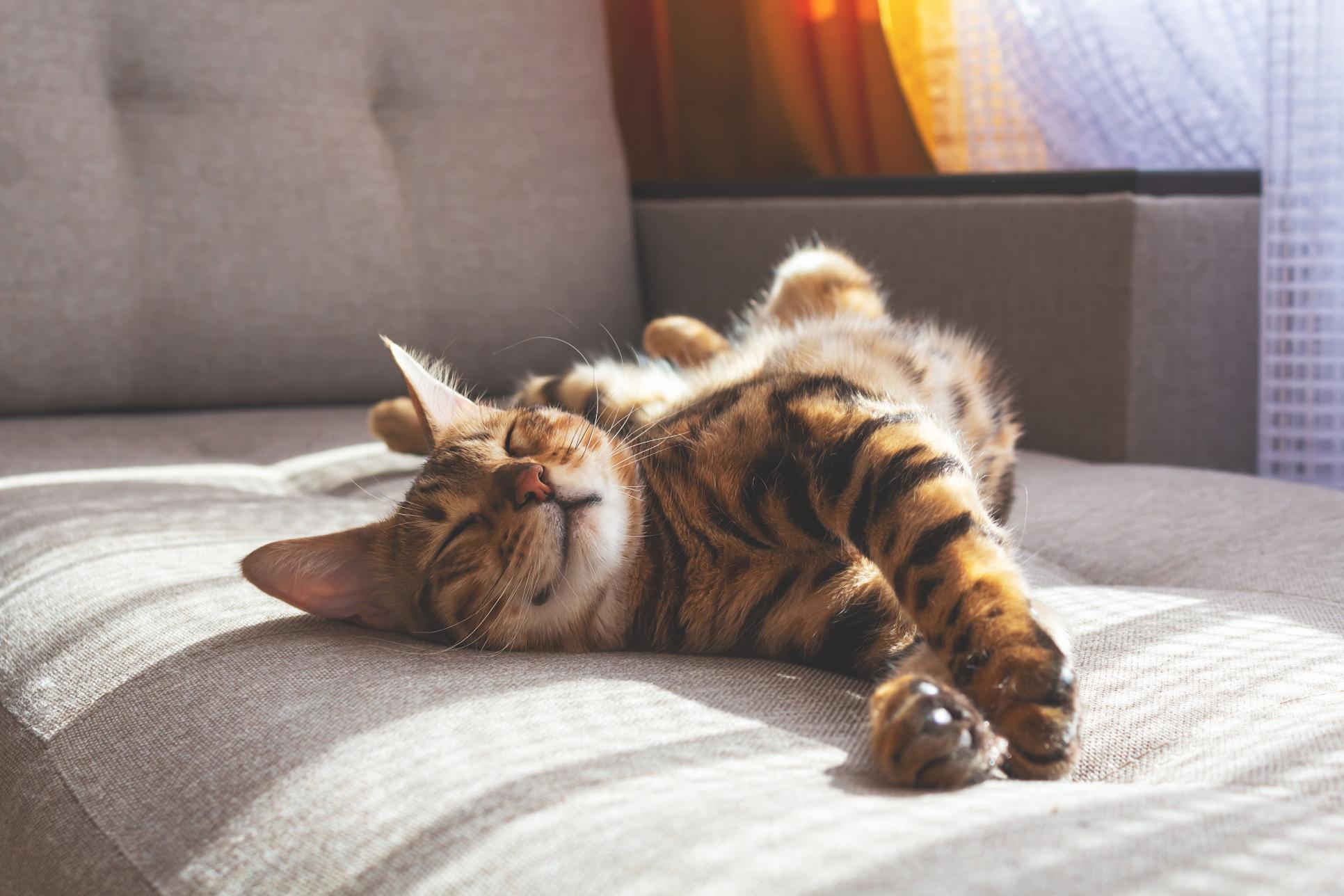
When the cooler months roll into San Antonio, you may notice your cat spending even more time curled up in a favorite spot. While cats are famously fond of their naps year-round, winter seems to bring out their inner snoozers. At Broadway Oaks Animal Hospital, we know pet parents often wonder: why do cats sleep more in winter, and is it something to worry about? Let’s take a closer look at the science of your cat’s winter sleeping habits.
Do Cats Hibernate in the Winter?
It’s a common question: Do cats hibernate in the winter? The answer is no. Unlike bears or groundhogs, cats don’t enter an actual hibernation state. Instead, what you’re observing is an adjustment in cat sleeping patterns in cold weather. Shorter days, cooler temperatures, and even your cat’s evolutionary history all contribute to these changes.
Seasonal Cat Behavior in Winter
Cats are highly influenced by light and temperature, even if they live exclusively indoors. As the days get shorter, your cat’s body naturally responds with subtle changes in behavior, which often include more rest. Here are a few factors at play:
- Daylight shifts – Less sunlight in winter can influence circadian rhythms, which regulate sleep and wake cycles.
- Energy conservation – Staying warm takes energy, and resting more helps conserve it.
- Evolutionary instincts – In the wild, colder months meant fewer prey opportunities, so conserving energy by sleeping was advantageous.
All of these elements combine to make longer naps a natural part of seasonal cat behavior in winter.
Why Cats Sleep More in Winter
Cats average 12 to 16 hours of sleep per day, but in winter, you may notice those hours stretching longer. Some cats might sleep up to 20 hours a day. Why cats sleep more in winter often comes down to three main reasons:
- Comfort-seeking: Cats love cozy warmth, so they may nap more when tucked into blankets or near heaters.
- Reduced stimulation: With fewer insects and critters around, there’s less to “hunt” or chase, even for indoor cats.
- Hormonal cues: Light exposure impacts hormones that influence activity levels, making your cat a bit more sluggish during the darker months.
It’s worth noting that while extra naps are normal, dramatic changes in energy levels, appetite, or behavior should be checked by your veterinarian.
Helping Your Cat Stay Healthy and Happy
Even though longer naps are normal, you can help your cat stay engaged and active during the winter months. Try:
- Interactive toys that mimic prey and encourage movement
- Cat trees or shelves near sunny windows to give them warm napping spots and visual stimulation
- Short play sessions throughout the day to break up rest periods
- Balanced nutrition that supports their energy needs, especially if activity decreases
Adding these small changes can help prevent weight gain and keep your cat’s mind sharp, even when they’re snoozing more.
When To Call the Vet
If you notice your cat suddenly hiding, skipping meals, or seeming unusually lethargic beyond their regular winter naps, it’s important to rule out underlying issues. Changes in sleep can sometimes signal health problems such as thyroid disorders, arthritis, or other age-related conditions. A quick checkup provides peace of mind and helps ensure your cat is as healthy as they are cozy.
Keep Your Cat Cozy and Cared For
Your cat’s extra naps this winter are likely just a natural part of their seasonal rhythm, but it never hurts to check in on their overall wellness. If you’d like to schedule a wellness visit or have concerns about your cat’s health, our team at Broadway Oaks Animal Hospital is here to help. Call us today at (210) 824-7481 to set up an appointment and keep your furry friend purring through the season.