Why Does My Dog or Cat Have Bad Breath?
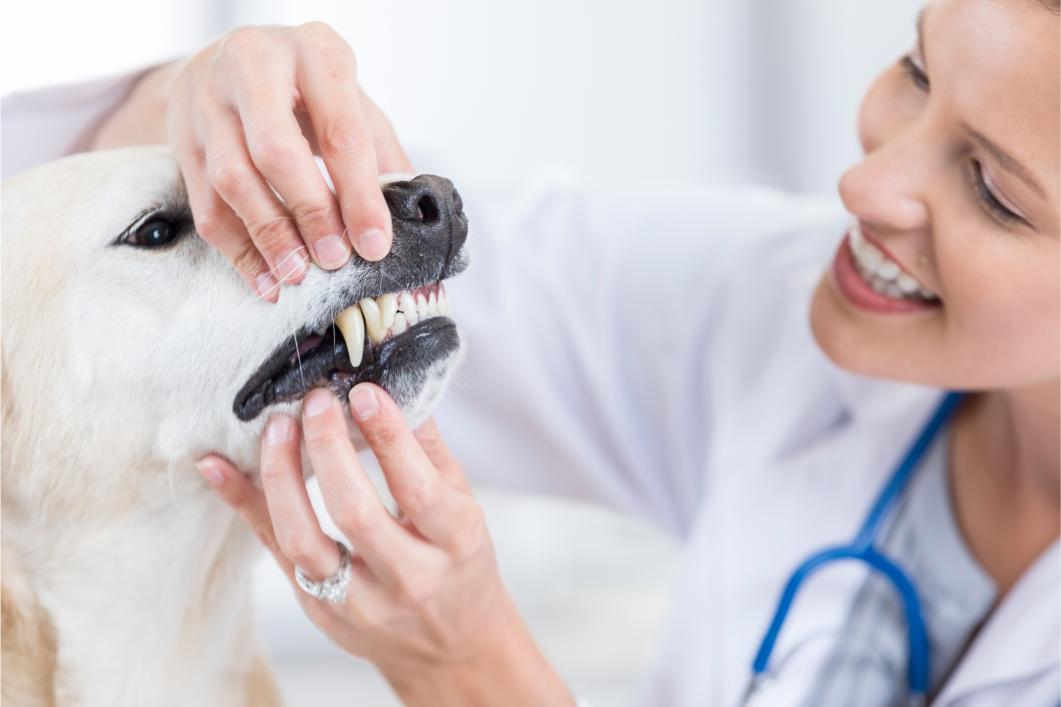
Sometimes it’s during the most ordinary moments—a yawn, a nuzzle, or a sleepy stretch—that you notice your pet’s breath has changed. Pet bad breath is one of the most common concerns pet parents mention during visits. At Broadway Oaks Animal Hospital in San Antonio, we hear this concern all the time. While a little odor may seem harmless, it can be a sign that something more is going on.
Let’s take a closer look at what causes bad breath in pets and when it’s time to schedule a visit.
Is Bad Breath in Pets Ever Normal?
Short answer? Not really.
It’s easy to assume that pets simply have stinky mouths. But persistent pet bad breath usually signals an underlying issue. While a temporary odor after eating something questionable may pass quickly, ongoing halitosis in dogs or noticeable cat bad breath deserves attention.
In most cases, the culprit is dental disease, and it’s far more common than many pet parents realize.
The Most Common Cause: Dental Disease
By age 3, many dogs and cats show signs of periodontal disease. That means bacteria, plaque, and tartar are building up below the gumline, where you can’t see them.
Here’s how it happens:
- Plaque forms on the teeth
- Plaque hardens into tartar
- Bacteria cause inflammation of the gums
- Infection develops beneath the gumline
As this process progresses, bad breath often becomes stronger. You might also notice:
- Red or swollen gums
- Drooling
- Pawing at the mouth
- Difficulty chewing
- Loose or missing teeth
Left untreated, dental disease doesn’t just affect the mouth. Bacteria can enter the bloodstream and impact organs such as the heart, liver, and kidneys.
Other Causes of Pet Bad Breath
While dental disease is the most common cause of bad breath in pets, it’s not the only one. In some cases, the odor can point to other health concerns.
These may include:
- Foreign objects stuck between teeth
- Oral tumors or growths
- Gastrointestinal issues
- Kidney disease, which may cause a chemical-like odor
- Diabetes, sometimes associated with a sweet or fruity smell
If you notice a sudden change in your pet’s breath, especially if it’s paired with changes in appetite, behavior, or energy, it’s worth having your veterinarian take a closer look.
What Can You Do About Dog or Cat Bad Breath?
The good news? You can do a lot to prevent and manage pet bad breath.
Preventive care typically includes:
- Regular wellness exams
- Professional dental cleanings under anesthesia
- Daily or routine tooth brushing at home
- Dental diets or approved dental chews
Before starting any at-home products, it’s important to confirm that the odor isn’t caused by a more serious issue. Simply masking halitosis in dogs or cats with treats or additives won’t solve an underlying infection.
Our team can assess your pet’s oral health and recommend a customized plan.
Why Early Care Matters
It’s easy to dismiss dog bad breath or cat bad breath as a quirky pet trait. But addressing it early can prevent pain, tooth loss, and more serious complications down the road.
Routine dental evaluations are a key part of wellness care. At Broadway Oaks Animal Hospital, we provide individualized preventive services for dogs and cats, along with advanced diagnostics and dental treatments when needed. Because we’ve been serving San Antonio for more than 50 years, we understand how important it is to partner with you in protecting your pet’s long-term health.
Schedule a Wellness Visit Today
If you’ve noticed persistent pet bad breath or changes in your pet’s eating habits, don’t wait. The sooner problems are identified, the easier they are to treat.
We invite you to schedule a wellness visit with Broadway Oaks Animal Hospital. During your appointment, our team will evaluate your pet’s oral health, discuss preventive options, and review our wellness plans for dogs and cats designed to make routine care more manageable.
Call us today at (210) 824-7481 to book your pet’s appointment. Fresher kisses and a healthier companion may be just one visit away.