
March Shedding Explained
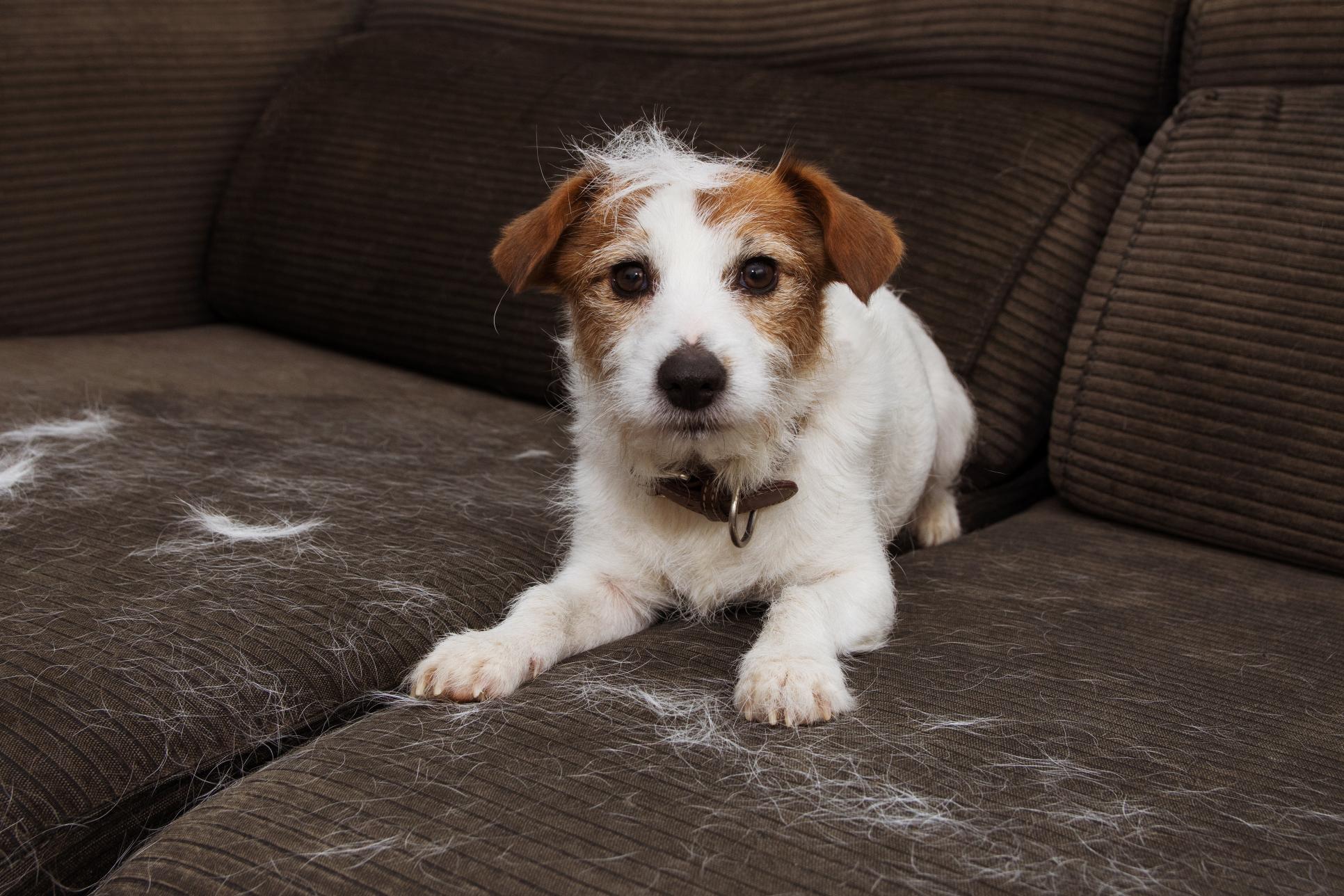
As winter wraps up all her loose ends, and daylight hours increase, many pet owners notice an increase in fur. Fur on the furniture. Fur on the floors. Fur dotting clothing like confetti. Where is it coming from? Why do pets shed in the spring when it doesn’t even get that cold where you live?
Broadway Oaks Animal Hospital in San Antonio, Texas, has seen it all before. Here’s what we want you to know about spring shedding in pets.
Pet Shedding in March, Explained
If you think shedding is primarily driven by changes in the temperature outside, think again. The timing for your dog or cat losing a layer of hair is actually determined mainly by daylight, or photoperiod. Temperature does play a role, but it’s a secondary factor.
This is why many pets shed the most during the two times when daylight hours change the fastest: fall and spring. There’s a caveat, though: being exposed to artificial daylight from spending most of their time indoors can affect your dog or cat’s shedding patterns and cause them to shed all year long.
For dogs and cats that spend plenty of time outside, though, a spring shed is natural and normal. It’s the body’s response to an increase in sunlight—a signal that a warmer season is imminent.
Signs of Seasonal Shedding in Dogs and Cats
How will you know when the big spring shed is upon your household?
The signs of seasonal shedding in cats and dogs are slightly different. For dogs, you might notice your pup leaves a trail of fur in her wake wherever she goes. Her bed might look more like one of your kids’ stuffies than an actual dog bed.
He may look unkempt with large patches of loose, shedding fur all over her back or sides and spend time itching and scratching to try to remove the old fur.
Brushing your dog every day can help get rid of the old, dead hair and improve airflow, prepping your pet for a healthy-skin summer.
For cats, even those that spend all their time indoors can react strongly to an increase in light. If your cats are anything like ours, they like to spend lots of time curled up napping in patches of sunlight, after all.
You might notice more frequent hairballs, excessive grooming, a (more) visible accumulation of fur on your furrr-niture, and a dull or flaky coat. Brushing your kitty regularly helps reduce the amount of hair she swallows and keeps her coat healthier.
How to Manage March Shedding
Shedding is impossible to stop—and it’s harmless and normal for your pet. To manage the fur overload, brush your pet daily, or at least multiple times a week. Use special shedding brushes to capture as much loose fur as possible.
Keep your pet hydrated and ask your vet about which supplements could best support your cat or dog’s coat health during this time.
Enjoy the extra bonding time you’ll enjoy as you groom your furry family member, and if you notice any unusual lumps, bumps, or hotspots on your pet’s skin, reach out to your veterinary team for guidance.
Our friendly team at Broadway Oaks Animal Hospital is always here to help! Call us at (210) 824-7481 to schedule an appointment today.