
My Dog Was Bitten by a Rattlesnake: Emergency Signs and What to Do in San Antonio
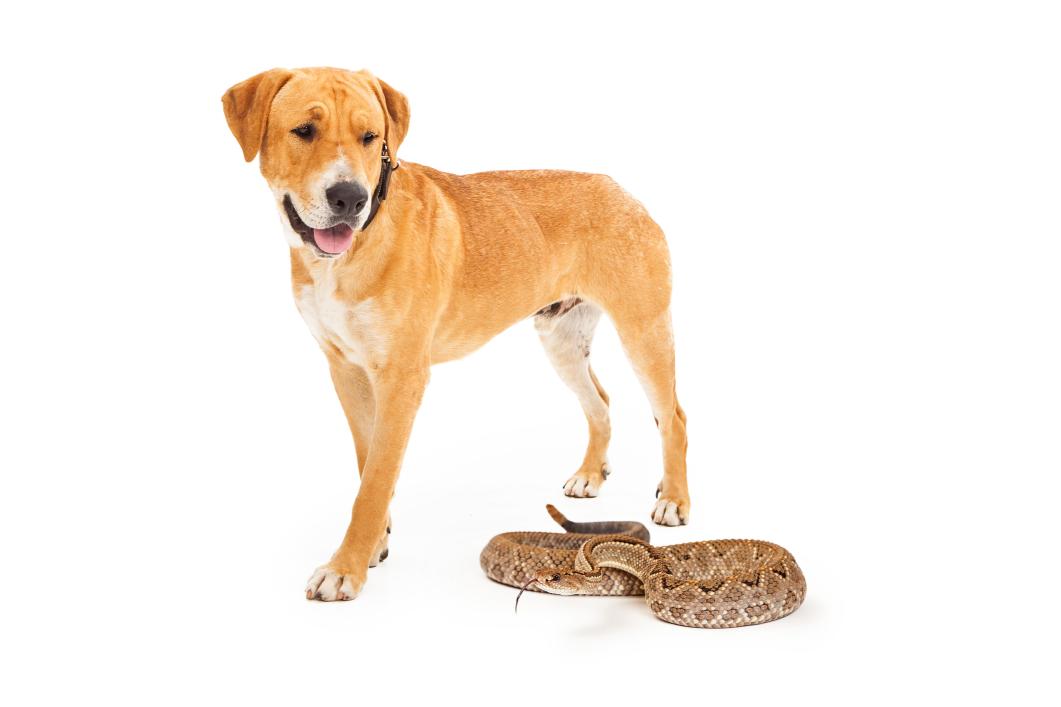
When it comes to summer health concerns for pets, heatstroke and dehydration are typically top of mind. But there’s an equally dangerous threat slinking along the scenic trails: rattlesnakes. While most dogs would rather sniff than spar, curiosity can sometimes lead to risky encounters. If you’re wondering what to do if your dog gets bitten by a rattlesnake, these important tips from our team at Broadway Oaks Animal Hospital will help.
Recognize the Signs
Signs of rattlesnake bite in dogs can appear quickly—or slither in slowly. Understanding the symptoms of snake bite in pets can make all the difference in getting timely treatment.
Common warning signs include:
- Sudden yelping or distress
- Dog swollen face after snake bite, especially around the muzzle
- Puncture wounds (though they can be hard to spot under fur)
- Lethargy or weakness (can progress over time)
- Skin necrosis (can take up to 36 hours or more)
- Drooling or panting
- Vomiting
- Dog limping after snake bite (if bite occurs on a leg or paw)
How Long After Snake Bite Will Dog Show Symptoms?
With rattlesnakes, symptoms often begin within 30 minutes to a few hours. However, the progression can vary depending on the amount of venom injected, your dog’s size, and the location of the bite. This isn’t a “wait and see” situation. Even if symptoms seem mild at first, they can escalate quickly.
The most concerning rattlesnake venom dogs symptoms include:
- Rapid swelling that spreads
- Bruising or discoloration
- Difficulty breathing
- Collapse or severe weakness
If You Suspect Your Dog Has Been Bitten
- Stay calm and limit movement.
Keeping your dog as still as possible can help slow the venom’s spread. - Do NOT attempt home remedies.
Skip the ice packs, tourniquets, or trying to “suck out” venom. These can do more harm than good. - Seek veterinary care immediately.
Call your veterinarian or head to the nearest emergency clinic.
Rattlesnake Bite Treatment for Dogs
Effective rattlesnake bite treatment for dogs typically involves:
- Administration of antivenom
- Pain management
- IV fluids and supportive care
- Monitoring for complications such as shock or infection
Prevention Tips for Pet Owners
While not every snake encounter in the great outdoors can be avoided, a few precautions can reduce your pet’s risk:
- Keep dogs leashed during walks or hikes.
- Avoid tall grass, rocky areas, and woodpiles where snakes may hide.
- Be extra cautious during warmer months when snakes are more active.
Here for You and Your Adventurous Companion
A snake bite is frightening, but knowing the signs of rattlesnake bite in dogs and acting quickly can help get your furry sidekick back to doing what they do best: exploring the world, one sniff at a time. Please contact our team at (210) 824-7481 if you spot signs of rattlesnake bite in dogs or if it’s time for your pet’s checkup.