Dog Limping: 7 Signs Your Pet Needs Urgent Veterinary Care
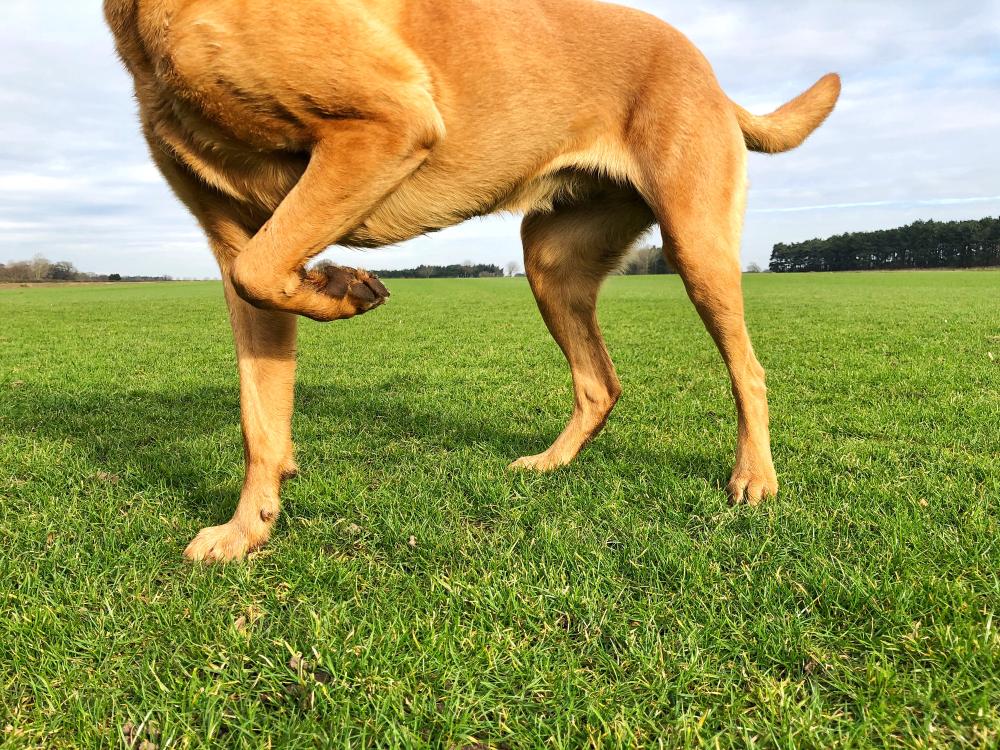
When your dog is limping, all sorts of scenarios for what’s causing the limp might rush through your mind. None of them are good. But the team at Broadway Oaks Animal Hospital wants you to know that there is treatment for limping in dogs—and that getting your pet to the vet as soon as possible is important.
Here are 7 signs your pet needs urgent veterinary care for a limp.
1. Your Dog is Limping Suddenly
If your furry friend starts limping suddenly, seemingly out of nowhere, it could signal a sprain, fracture, or injury to a ligament. This is especially true if the limping begins after a walk, jog, or rousing game of fetch.
A sudden onset in limping is one of the biggest red flags that something acute has happened to your pet’s leg(s), and urgent veterinary care is needed.
2. Your Pup Refuses to Bear Weight on a Leg
Another sign of a dog limping emergency is when your pup won’t put any weight on a specific leg. This symptom can mean that a serious injury has occurred, like a broken bone, torn ligament, or severe soft-tissue damage. If your dog is also whining, licking at the limb, or yowling in pain, get to the vet ASAP.
3. You See Visible Swelling or Deformity in Your Dog’s Limb
A leg that feels hot to the touch, puffy, or abnormally crooked is a clear warning sign that there’s a severe joint injury, fracture, or infection going on. Get your pet to an emergency vet right away, as fractures, infections, and joint injuries need immediate treatment.
4. Your Dog is Clearly in Pain
Whining, yelping, growling, or pulling away when you try to pet your pup is a clear sign that something’s not right. If these signs of pain are paired with any sort of limping, licking of limbs, or agitated pawing, pay attention. Your pup needs emergency care!
5. The Limp Lasts More than 24-48 Hours
Minor joint strains can get better with rest. But if your dog’s limp stays the same, or gets worse, over the next day or two, it’s time to see the vet about your dog’s limping. This is also true if your dog’s limp seems to get worse, and then better, and then worse again, and then better. In other words, if it’s chronic.
Chronic limping could be a sign of a deeper condition, such as hip dysplasia, or another orthopedic issue including arthritis and joint instability.
6. You See a Wound, a Foreign Object, a Burn, or Blood
Anytime you see a cut, a puncture wound, a burn, bleeding, or a foreign object lodged in your pup’s leg or paw, it could be the cause of limping. All it takes is one step on a too-hot sidewalk or one foray through a thatch of grass littered with broken glass.
Carefully check your pet’s paw or leg to see if you can find the culprit—while you take your pet to the vet.
7. Your Pup Seems Lethargic or Unwell
Does your pet seem extra tired and is limping? Or is the limping paired with other signs of illness, such as vomiting or diarrhea, or even a loss of appetite or thirst? These are all red flags that something’s up. Your pet could be dealing with a systemic illness, from a tick-borne disease to an immune issue.
A visit to the vet—with a list of all the symptoms you’ve observed—is in order.
When it Comes to Limping, Don’t Delay
While some cases of limping are mild, others can get worse quickly if they’re left untreated. Keep in mind that while rest, good nutrition, and TLC can help, they aren’t always enough. Waiting too long to bring your pup to the vet can cause complications or prolonged pain for your pooch,.
So, if you’re ever unsure about when to see a vet when your dog is limping, go ahead and call. The caring team at Broadway Oaks Animal Hospital is here to help with any cases of limping your dog seems to be suffering from. Call our team at (210) 824-7481 to schedule an appointment today